


Jeffrey Sachs criticises US Iran policy and Trump approach
 Rabbia Zafar
|
24 hours ago
Rabbia Zafar
|
24 hours ago
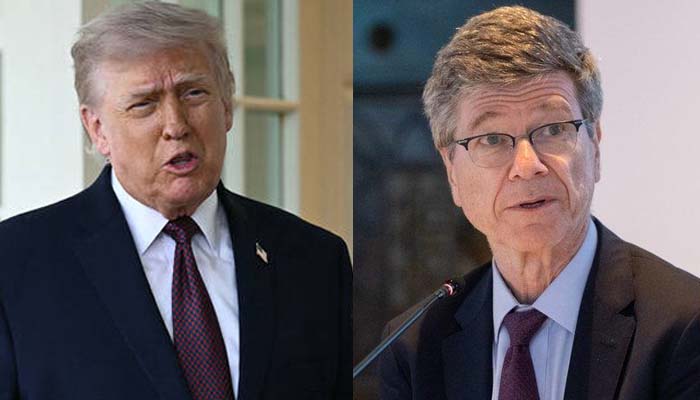
Columbia University economist and well-known academic Jeffrey Sachs has strongly criticised the recent escalation in US–Iran tensions, the failure of diplomatic negotiations, and what he described as chaotic US policy-making.
According to foreign media reports, Sachs described the current situation as disorganised, opaque, and driven by confusion rather than a coherent strategic framework. He argued that recent developments in US foreign policy do not reflect a structured or intelligent long-term plan.
Commenting on former US President Donald Trump’s approach, Sachs questioned both the nature of decision-making and the tone of political communication. He suggested that the current policy environment appears to be centred around individual behaviour rather than institutional strategy.
Sachs further said that it is misleading to describe the situation purely as “US policy,” arguing that it often appears to revolve around a single personality and his style of leadership. He said that reliance on pressure tactics, threats, and aggressive rhetoric is being used as a substitute for structured diplomacy.
He added that such an approach reflects a belief that coercion and force can achieve political objectives, but in his view, this assumption is flawed and unsustainable. Sachs described the situation as lacking depth and said it resembles a form of political performance rather than consistent policymaking.
The economist also expressed concern over what he called erratic public statements and messaging, suggesting that recent comments and social media posts fall outside the traditional norms of US presidential communication.
His remarks come amid heightened global tensions involving Iran, ongoing diplomatic breakdowns, and increasing scrutiny of international mediation efforts. Analysts note that such criticism reflects broader academic and policy debates over the effectiveness of current diplomatic strategies and the risks of escalation in the region.
The comments have added to the wider international discourse on US foreign policy direction at a time when geopolitical uncertainty in the Middle East continues to grow.
Bushra Bibi shifted to hospital from prison


14 seconds ago

10 minutes ago

19 minutes ago

23 minutes ago
28 minutes ago

42 minutes ago
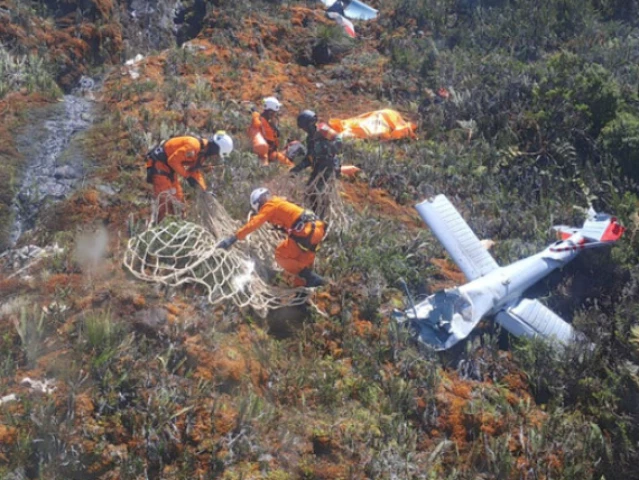
- All eight people on board an Airbus H130 were killed after the aircraft crashed in Sekadau Regency, Indonesian authorities confirmed…
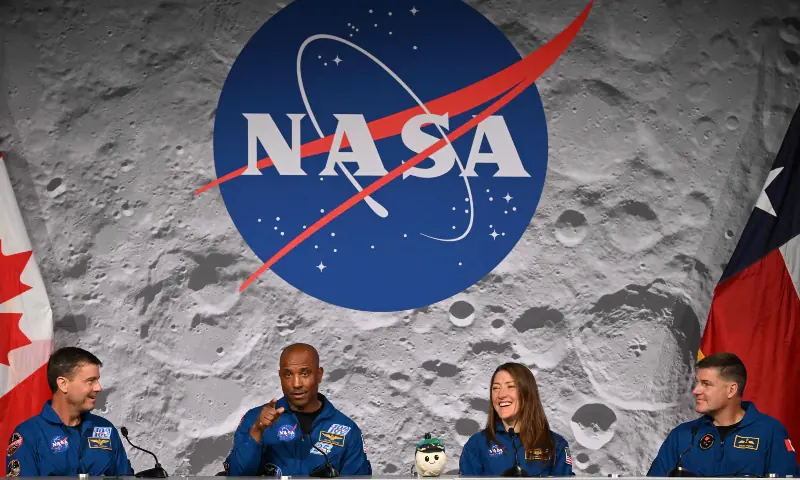
- NASA astronauts have confirmed that the re-entry phase of the Artemis II mission was smooth, although minor charring was observed…
- Lebanese Army has reported multiple “acts of aggression” by Israel, alleging violations of a recently implemented ceasefire agreement in southern…
- Masoud Pezeshkian has praised Pakistan for its effective and responsible role in efforts to prevent conflict, highlighting Islamabad’s contribution to…
 A shocking report by BBC has triggered nationwide outrage in Pakistan after alleging severe medical malpractice at a Tehsil Headquarter…
 Pakistan’s second National Anti-Polio Campaign of 2026 is continuing across the country with full momentum, as health workers aim to…
 A new case of monkeypox has been reported in Karachi, raising fresh concerns among health authorities in the city. According…
 Olivia Munn has spoken about her experience battling breast cancer, highlighting the crucial role her husband, John Mulaney, played throughout…





- All eight people on board an Airbus H130 were killed…14 seconds ago
- NASA astronauts have confirmed that the re-entry phase of the…10 minutes ago
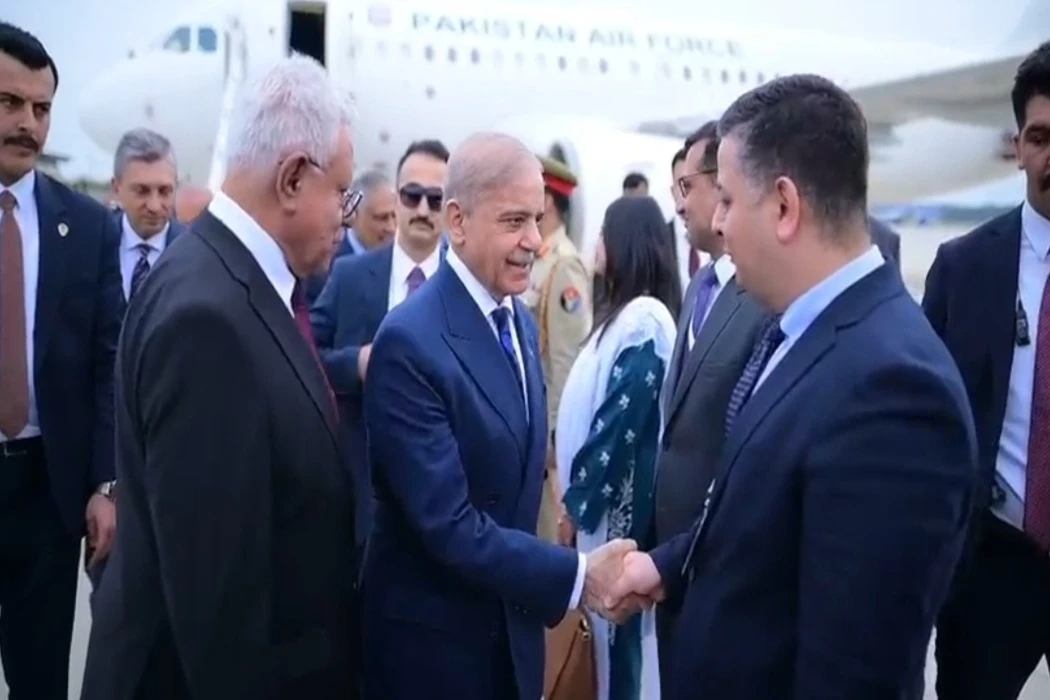
- Shehbaz Sharif has arrived in Antalya on an official visit…19 minutes ago
- Pakistan is experiencing a sharp increase in unannounced power outages…23 minutes ago